
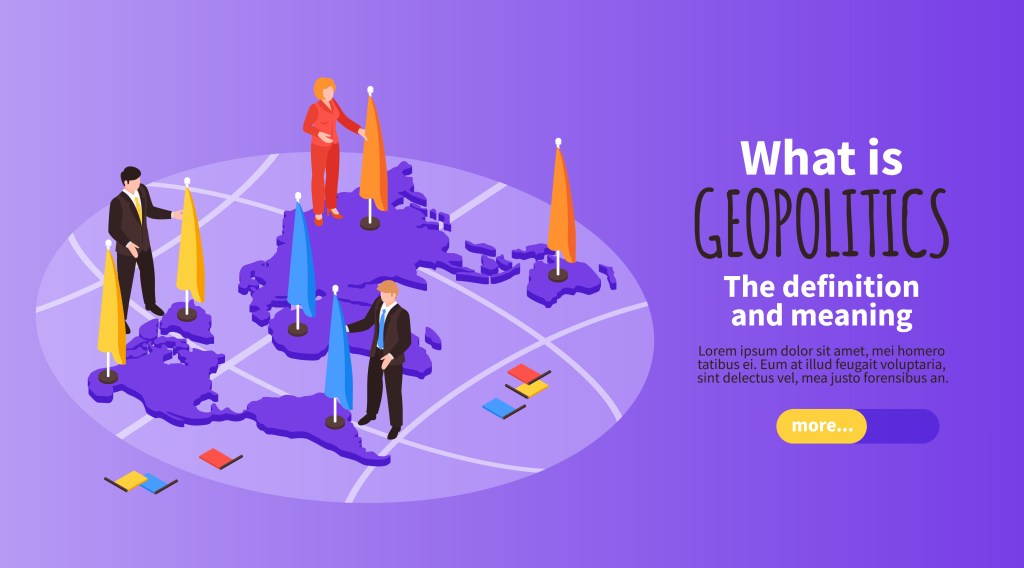
Introduction
- Explaining the concept of geopolitics in simple terms.
- Why is it important to understand geopolitics?
- An introduction to the global relationship between geography and politics.
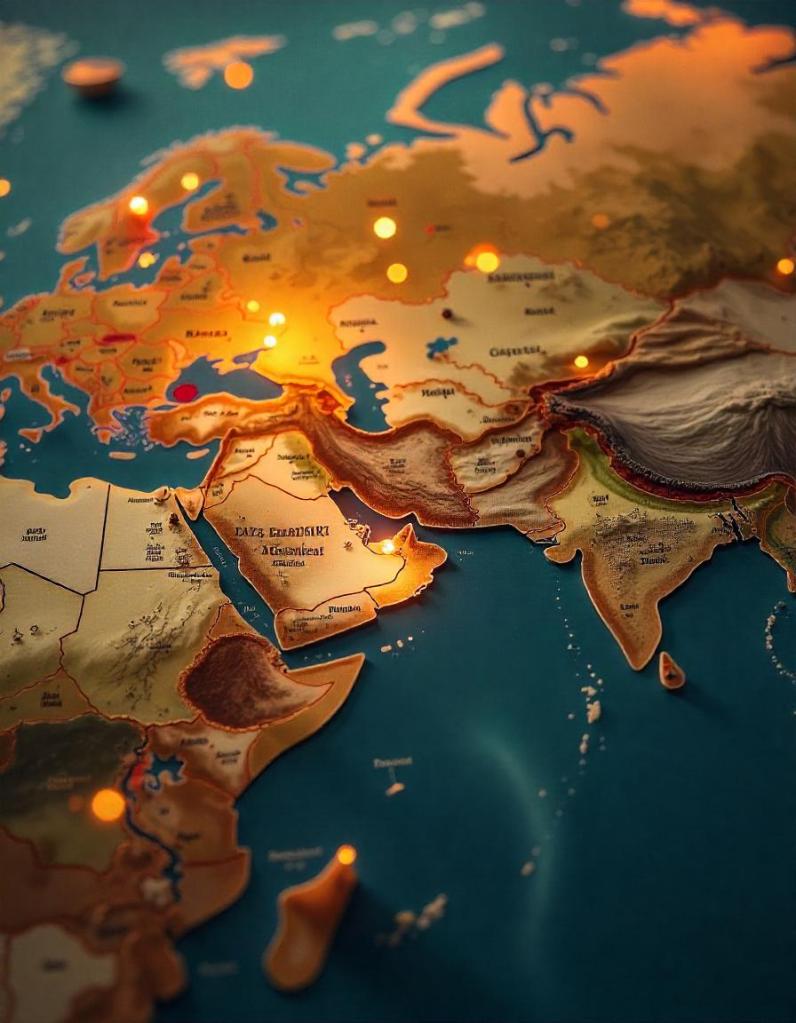
Geopolitics is a science that studies the impact of geography on politics and international relations. In a nutshell, it analyzes how geographic factors, such as a country’s location, access to raw materials or the shape of borders, affect states’ behavior, military strategies and the global economy.
Geopolitics helps to understand:
- Why certain regions are a field of rivalry between great powers.
- How natural resources, such as oil and gas, can shape global politics.
- Why conflicts and alliances are often geographically based.
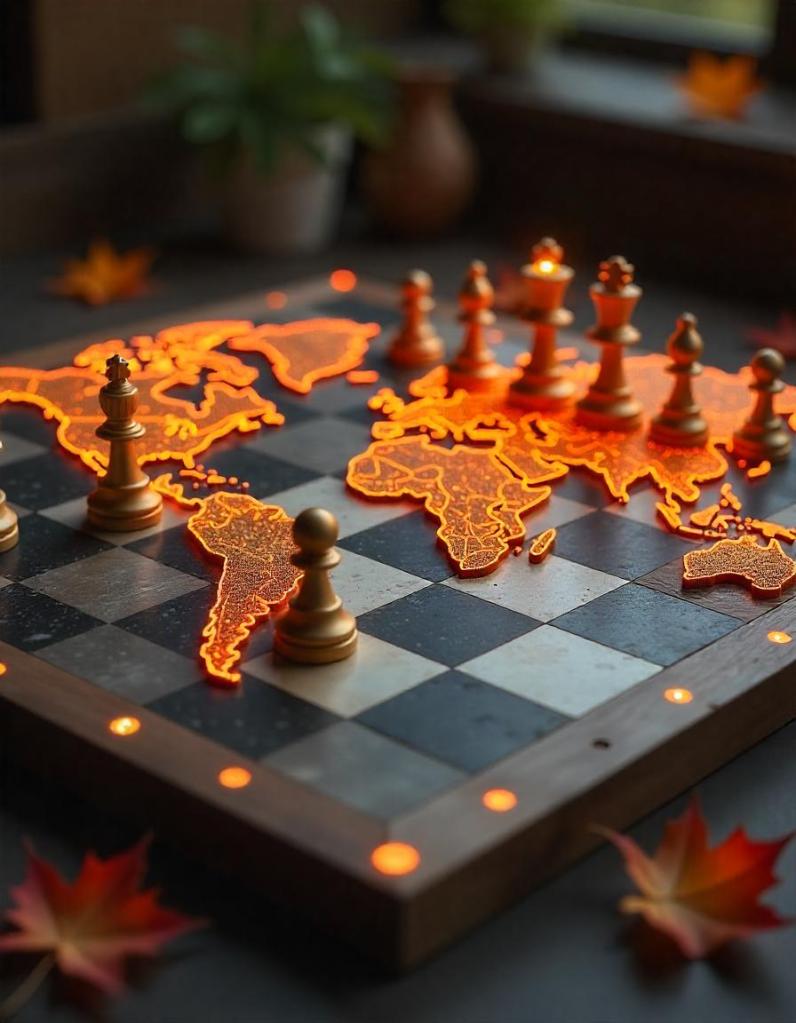
It’s useful to think of geopolitics as a big puzzle in which each piece (country) has its own unique position, and all interact with each other. It allows you to better understand the events that shape the world today.
Geography and politics are inextricably linked. Geopolitics studies how physical features of the world – such as landforms, access to seas, natural resources or climate – influence political decisions and shape international relations.
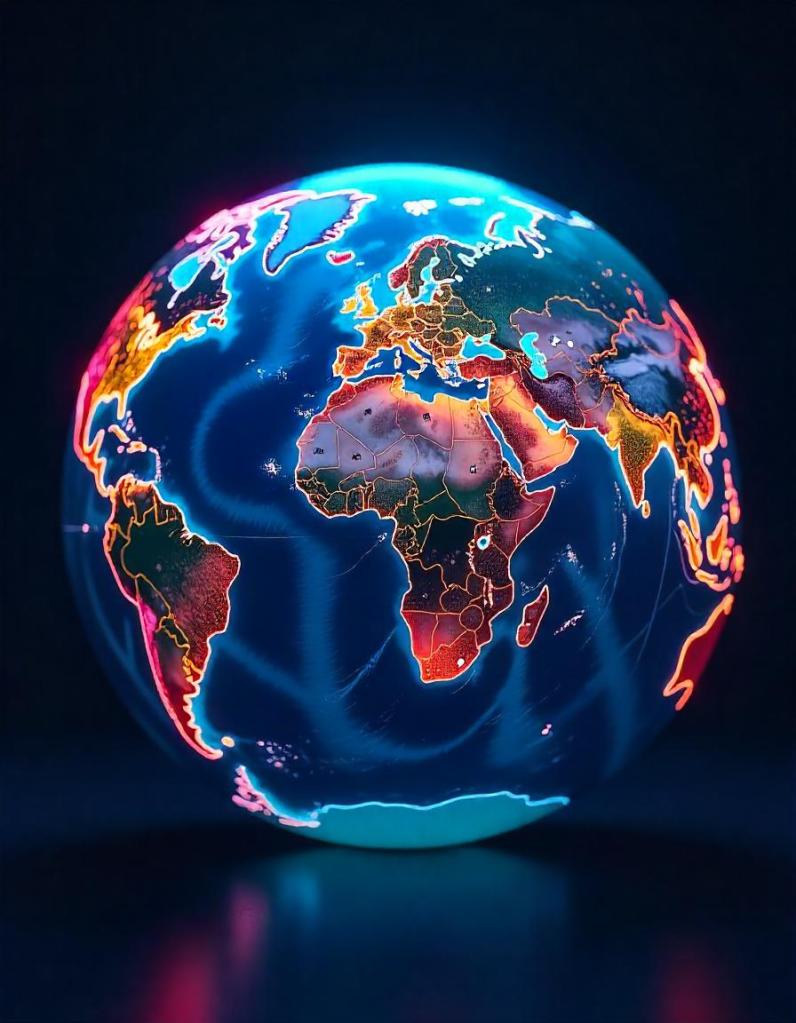
Imagine the world as a huge game board. Countries that have access to valuable raw materials, control strategic trade routes or possess natural defensive barriers such as mountains gain an advantage in this global game. Countries lacking these assets, on the other hand, often have to rely on alliances, trade or military strength to secure their interests.
Examples of global dependencies:
- Natural resources: Countries with oil, like Saudi Arabia, are crucial to the global economy. This makes their policies closely watched by the rest of the world.
- Strategic location: Countries along straits or canals, such as Egypt (Suez Canal) or Turkey (Bosphorus), have an impact on international trade.
- Natural barriers: Mountains, deserts or rivers can protect countries from invasion, but they can also isolate them from their neighbors. An example is the Himalayas, which for centuries played the role of a natural border between India and China.
Global interdependencies resulting from geography are often a source of cooperation, but also conflict. Understanding these connections helps to better understand why the world looks the way it does, and why certain regions are crucial to security and global stability.
I hope that with this post I have helped you understand what geopolitics is. If you have something to say on the subject then feel free to comment, and I am already thinking about the next topic.

 Rafał Martyniak Blog
Dodaj komentarz