
Introduction
Whether we want it or not, the world has entered an era in which economic and military superiority is again becoming the main factor shaping international relations. The vision of a global order based on dialogue and cooperation is giving way to ruthless competition between superpowers.
In today’s post, I would like to reflect on the reasons for these changes and ask the question, will Poland manage to adapt to the new rules or will it remain a mere passive spectator? Will it become a significant player on this geopolitical board, or just a pawn that can be sacrificed without hesitation at a crucial moment?
Genesis
There are of course many reasons for the current state of affairs, but the main one is primarily the weakening of the previous hegemon, the United States. I think we can consider the year 2000 as the beginning of the problems, when then US President Bill Clinton presented an agreement to open the chinese market to international trade, which in effect led to China’s entry into the WTO. Speaking at the School of Advanced International Studies1, he argued that China’s integration into the global trading system would not only increase exports of U.S. goods, but also help promote democratic values. Clinton argued that the introduction of free market principles would increase the independence of citizens and weaken the monopoly of power.
“By adopting WTO rules, China is not only opening up to our products, but also to one of the most important values of democracy – economic freedom. As people gain the opportunity to realize their own dreams, they will begin to demand greater freedoms.”
In retrospect, I think we can conclude that China has not embraced democratic values, but has made very good use of the opportunities afforded by free trade. Since the PRC joined the World Trade Organization (WTO) in 2001, its economy has experienced rapid growth. In 2001, China’s Gross Domestic Product (GDP) was $1.34 trillion. China’s GDP is projected to reach $18.685 trillion2 by the end of 2025. This gives an impressive 1294% growth rate. According to forecasts by the British think tank Centre for Economics and Business Research (CEBR), in 2028 China will surpass the US in terms of GDP3 (calculated in dollars) and become the world’s largest economy. Of course, this is just a forecast, but Americans feel that the Chinese economy is starting to rapidly catch up with them.
The U.S. interventions in Afghanistan (2001-2021) and Iraq (2003-2011, with a later return in 2014 as part of the fight against ISIS) had a huge impact on the U.S. economy, and their effects are still being felt today. Although officially these actions were intended to combat terrorism and promote democracy, in retrospect their negative consequences – both financial and geopolitical – are increasingly emphasized. The interventions were among the most expensive in US history.
According to a Brown University study (Costs of War Project), the total cost of the wars in Afghanistan, Iraq and other related operations (including Syria and Pakistan) exceeded $8 trillion4. Much of this spending came from borrowing, adding to the US national debt. The massive spending on wars has caused the US to invest less in infrastructure, education and health care. This slowed economic growth and contributed to widening social inequality. Not only did the interventions fail to produce the desired results, but they led to even more destabilization of the region:
- The overthrow of Saddam Hussein in Iraq created a power vacuum that was filled by ISIS.
- In Afghanistan, the Taliban returned to power almost immediately after the US troop withdrawal in 2021.
Ironically, the wars waged in the name of national security ultimately increased the terrorist threat and reduced US influence in the region.
Instead of strengthening the U.S. position as a global hegemon, these wars accelerated the process of diminishing America’s influence:
- China, meanwhile, focused on economic development and geopolitical expansion (such as the New Silk Road project).
- Russia rebuilt its position on the international stage, resulting in the annexation of Crimea in 2014 and today’s war in Ukraine.

In my view, the interventions in Afghanistan and Iraq were classic examples of imperial overreach, where a country engaged in costly conflicts on the periphery of the empire loses its power on the international stage. Instead of strengthening US dominance, these wars weakened the economy, undermined America’s global leadership and contributed to the birth of a new multipolar world order.
After a decade of focusing on the wars in Afghanistan and Iraq, a conviction began to mature in Washington that the real challenge to U.S. hegemony in the 21st century comes not from the Middle East, but from Asia – especially China.
As early as 2009, Hillary Clinton, as Secretary of State, used the phrase “Pacific Century,” suggesting that the future of the world would play out in the Pacific, and that the US needed to strengthen its presence there.5
The official announcement of the pivot came in 2011, in an article by Hillary Clinton for Foreign Policy titled. “America’s Pacific Century,” where the words were stated:
“The future of global politics will play out in Asia, and the United States must be ready to take a leading role in the region.”
- Moving 60% of the U.S. navy to the Asia-Pacific region.
- U.S. accession to ASEAN summits, and strengthening relations with Southeast Asian countries (e.g., Vietnam, Singapore).
- Promoting the TPP (Trans-Pacific Partnership) trade agreement6, which was to become a counterweight to Chinese economic expansion.
- The U.S. began conducting so-called Freedom of Navigation Operations (FONOP)7 missions to demonstrate that international waters are not owned by China.
Despite its ambitious goals, the pivot has largely failed. The main reasons, in my opinion, are the war in Ukraine in 2014 and the fact that the then administration avoided confrontation with Beijing, hoping that China’s integration with Western markets would undermine its ambitions. The withdrawal from the TPP agreement during Trump’s first term is also not insignificant.
Although the doctrine did not yield spectacular results, it changed the way Americans thought about global competition. The Pacific pivot was the first official sign that the era of the unipolar world was over.
China – The largest beneficiary
While the U.S. waged wars in Iraq and Afghanistan, China focused on:
- Expanding the economy.
- Developing technology (Huawei, TikTok, semiconductors).
- Building infrastructure as part of the New Silk Road.8
- Accumulating gold and foreign exchange reserves.
How has the US helped China?
- The Americans moved a huge part of their production to China, hoping that Beijing’s integration into the global market would make it more “democratic.”
- The Chinese took advantage of this time to take over Western technologies and create their own counterparts.
- The U.S. wars have raised oil prices, increasing costs for Western economies, while allowing China to buy raw materials cheaply from Iran and Russia.
Russia – Back on the global stage
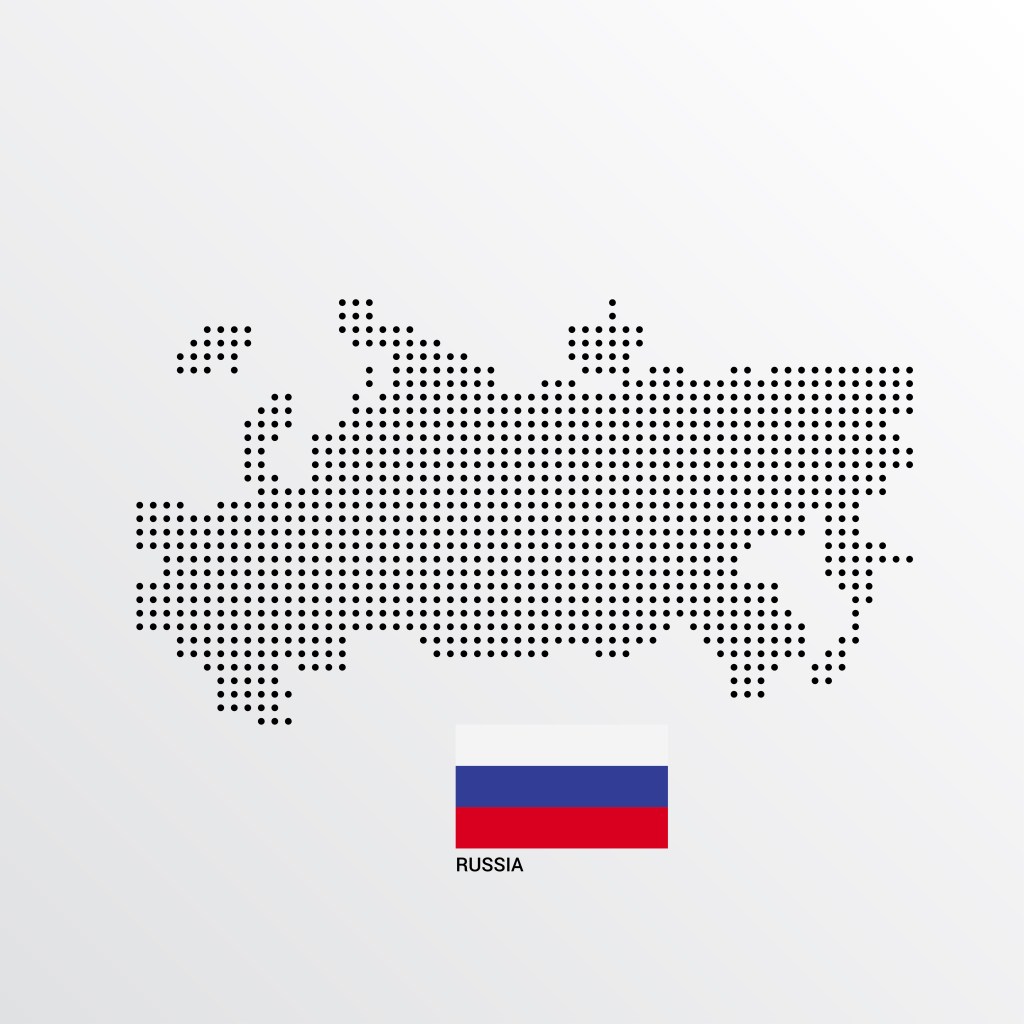
After the collapse of the USSR, Russia was a weakened state for several years, but after 2000, under Vladimir Putin, it began to rebuild its empire. The U.S. focused on the wars in Afghanistan and Iraq, while Russia used the time to modernize its military, move closer to China and increase its influence in Eastern Europe and Central Asia.
A large role in strengthening Russia’s position in recent decades has been played by Western European countries, particularly Germany, which has become one of Moscow’s key trading partners. A symbolic example of this cooperation was the Nord Stream 1 and Nord Stream 2 pipelines9, which would deliver gas directly from Russia to Germany, bypassing transit countries such as Ukraine and Poland. The project was hugely controversial from the start, as it strengthened Europe’s dependence on Russian gas and weakened Central and Eastern European countries, which lost revenue from transit fees.
After annexing Crimea in 2014 and supporting pro-Russian militants in Donbas, Russia went on the offensive to challenge the post-Cold War order. The Kremlin also took advantage of the U.S. wars to further destabilize the Middle East, and through cooperation with Iran and Turkey, regained its status as a strategic player in the region.
India – Silent Player

India is an example of a country that, despite major domestic problems and limited military potential, has benefited from the weakening of the US. India has been able to maintain a balance between cooperation with the West while developing ties with Russia and China.
- Economic growth: India has become one of the fastest economically growing countries in the world. Their technological development, especially in the IT sector, has made the country a global center for outsourcing and innovation.
- Geopolitics: India has benefited from the growing tension between the US and China, becoming a key ally in the Pacific and the South Asian region. On the other hand, India is also part of the BRICS10, giving it influence over global financial and economic processes.
It is puzzling to me that the country with the largest population in the world (over 1.4million) does not have representation on the UN Security Council. In my opinion, India should have more influence in global security decision-making.
Turkey – a regional power
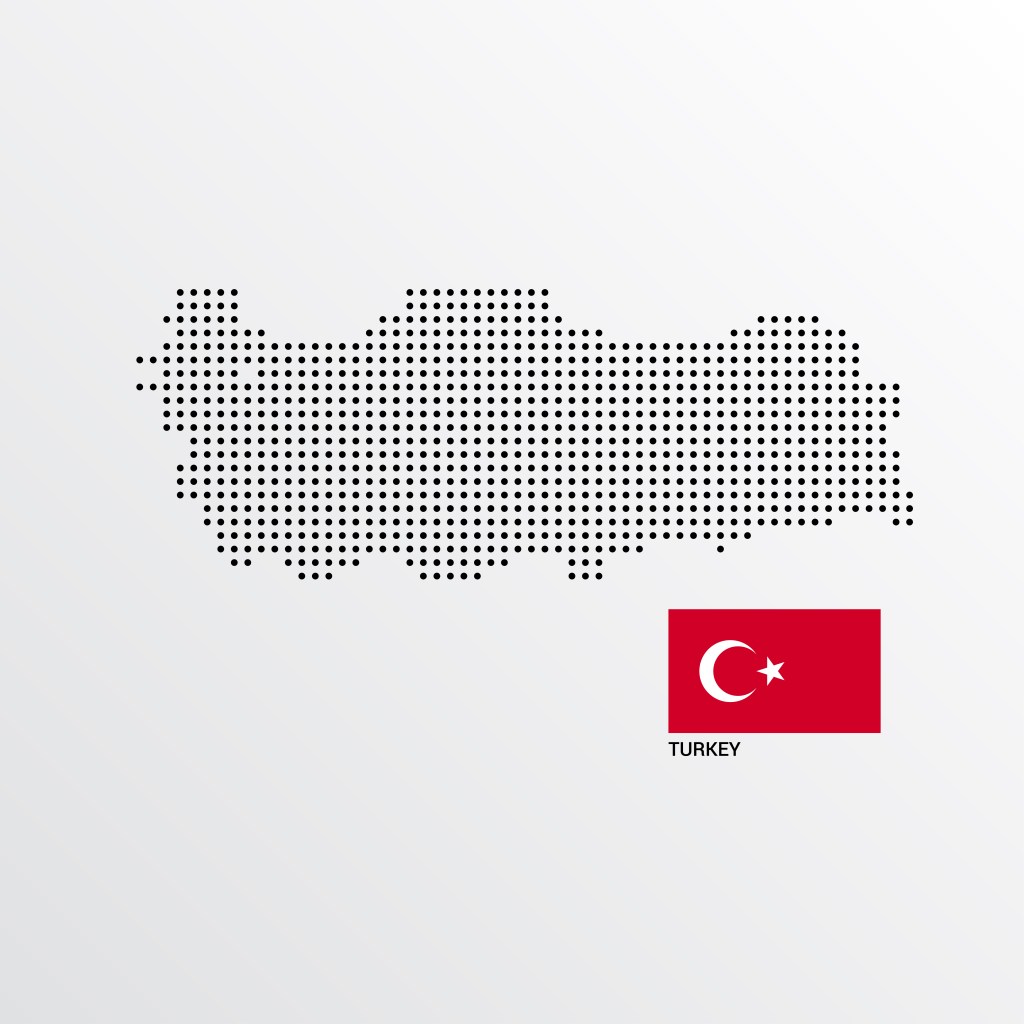
Turkey is a country that has managed to significantly increase its influence both in the region and internationally over the past two decades, thanks in large part to the weakening of the US position and changes in the global balance of power. After the end of the Cold War, Turkey was a key ally of the United States in the Middle East and Caucasus region, being a member of NATO and a link between Europe and Asia.
As time went on, especially after 2000, under the leadership of Recep Tayyip Erdoğan, Turkey began to pursue an increasingly independent foreign policy that in many cases found itself in opposition to U.S. policy. Turkey has one of the largest militaries in the world (second in NATO after the US), and its military might is one of the cornerstones of its foreign policy. In the context of its growing geopolitical ambitions, Turkey is investing heavily in the development of modern military technology.
Over the past few years, Turkey has increased spending on modern defense systems, such as S-400 anti-aircraft missiles, combat drones (e.g., Bayraktar TB2)11, and the development of its own fighters and tanks. Thanks to its geographic location at a strategic point between Europe, Asia and the Middle East, Turkey plays a key role in resolving regional and global conflicts. Following the U.S. withdrawal from many regions, Turkey has used its military and influence to stabilize its interests and expand its control over neighboring areas. Examples include the Black Sea and the Mediterranean, where Turkey regularly participates in international military maneuvers and has a substantial navy. Recently, there has been increasing talk of its ambitions to replace the US in Europe.
Poland in the new balance of power
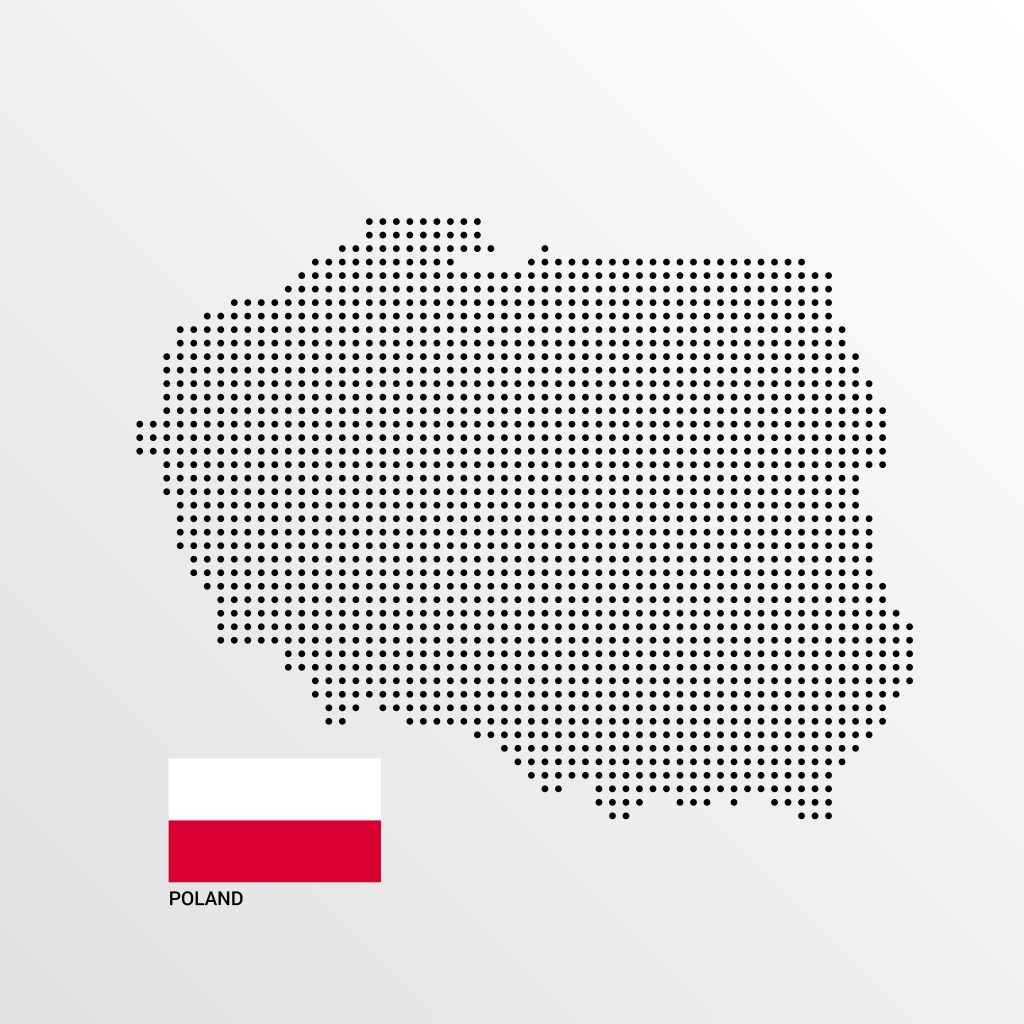
Poland finds itself at the crossroads of several key political paths in the new balance of international power. As a member of NATO and the European Union, it plays an important role in the stabilization of Europe, and its cooperation with the U.S. is becoming a central element of its defense strategy, especially in the context of the growing threat from Russia. Poland, thanks to its strategic location in Central Europe, serves as a key link in NATO’s security chain, especially after the Russian aggression against Ukraine.
In my view, Poland should focus on a more active role in shaping the European Union’s policies, especially with regard to the challenges of migration policy and internal reforms. Poland has a chance to become a leader in the Central European region, but in order to achieve this, it needs to engage more intensively in regional initiatives, such as cooperation with the Baltic countries, which depend on us for security, but also the countries of northern Europe – which is slowly beginning to happen. We should be more deliberate in our policy toward China, seeking to maintain favorable economic ties, but at the same time reducing the risks associated with dependence on Chinese investment, especially in key sectors such as digital technology and critical infrastructure.
Poland, despite its presence in NATO, should invest more in the development of its own defense capabilities, especially in modern military technology. Increasing defense spending is not enough, we need to ensure that most of the equipment is produced domestically. At the moment we are dependent on importing American and, increasingly, South Korean technology. Let me just mention that the transportation of the K2 Black Panther tank from South Korea alone takes 5 weeks, which, in the event of a possible war, will cause major logistical problems.
It would also be time to learn from the war across our eastern border, where a thousand-dollar drone destroys a $5million tank. This cost asymmetry is a signal that modern warfare is becoming increasingly dominated by cheap but effective technologies that can neutralize traditional, expensive weapons systems. We should rethink the purchase of expensive military equipment (96 AH-64E Apache attack helicopters for 40bilion zloty) and focus on a more sustainable strategy that also takes into account the needs of asymmetric warfare.
Poland should continue to invest in the development of territorial defense, and create a civilian defense. These forces can be used in the event of an emergency and will enable the immediate deployment of military and civilian resources in response to changing conditions in real time.
Summary
The changing balance of power in the world is a process whose dynamics have accelerated in recent years. The world is shifting from a unipolar order, in which the United States dominated, to a new multipolar arrangement, with major roles played not only by the US, but also by China, Russia, India, Turkey and other aspiring regional powers.
After the end of the Cold War in 1991, the United States played the role of global hegemon for nearly three decades, imposing its own rules of international order based on liberal democracy, free market and military superiority on the world. The collapse of the USSR meant that no other country was able to challenge US dominance, leading to the creation of a so-called “unipolar world.” However, this model began to gradually erode as a result of the factors we told ourselves earlier.
The new multipolar world order is based on loose, often shifting alliances and growing competition for influence in key regions of the globe. But it does not mean greater stability – on the contrary, competition between superpowers and aspiring powers is making the world increasingly chaotic and unpredictable.
For Poland, this new order means rethinking its geopolitical position. Our country, by virtue of its location, is crucial to the security of Central and Eastern Europe. However, membership in NATO and the European Union alone is not enough to ensure security and sovereignty in the coming decades. We need very responsible political elites and a broad consensus. The security and development of the country should be excluded from political contention.
In this new world, it is not only alliances that will count, but above all the ability to defend oneself, the development of modern technologies and flexible diplomacy to balance between different geopolitical blocs.
PS. Thank you all for the many visits to the blog, starting this project in December, I did not think it would find so many readers. My sincere greetings to Gabi from the blog Kadrowa Czyta ( https://www.facebook.com/kadrowaczyta and https://www.instagram.com/zaczytane_kadry) for her many kind words and to each of the readers individually.
Footnotes:
- https://archive.nytimes.com/www.nytimes.com/library/world/asia/030900clinton-china-text.html ↩︎
- https://tradingeconomics.com/china/gdp ↩︎
- https://cebr.com/blogs/we-forecast-that-china-will-be-the-worlds-largest-economy-for-only-21-years-before-the-us-overtakes-again-in-2057-and-by-2081-india-will-have-overtaken-the-us-how-does-this-affect-geopoliti/ ↩︎
- https://www.brown.edu/news/2021-09-01/costsofwar ↩︎
- https://www.rferl.org/a/hillary_clinton_asia_pacific_region_east_relations/24388243.html ↩︎
- https://ustr.gov/tpp/overview-of-the-TPP ↩︎
- https://www.belfercenter.org/publication/freedom-navigation-south-china-sea-practical-guide ↩︎
- https://www.belfercenter.org/publication/freedom-navigation-south-china-sea-practical-guide ↩︎
- https://pism.pl/publications/consequences-of-the-nord-stream-1-and-2-gas-pipeline-explosions ↩︎
- http://brics2022.mfa.gov.cn/ ↩︎
- https://baykartech.com/en/uav/bayraktar-tb2/ ↩︎

 Rafał Martyniak Blog
Dodaj komentarz